
In the PE/VC world, people obsess over “Product-Market Fit.” But in the brutal arena of high-growth finance — my world of Mekong Capital, Techcombank, F88, and HDBank — PMF is just the cover charge.
To actually own a category, you have to stop selling products and start defining the market’s gravity. But here’s the kicker: once you become the sun, everyone starts praying for a sunset.
1. The Alpha Strategy is Mutiny as a Business Model
In 2021, Techcombank became the first private bank in Vietnam to crack the $1 billion Pre-Tax Profit (PBT) mark. They didn’t do it by opening more branches. We did it through a “Customer-First” mutiny against traditional banking.
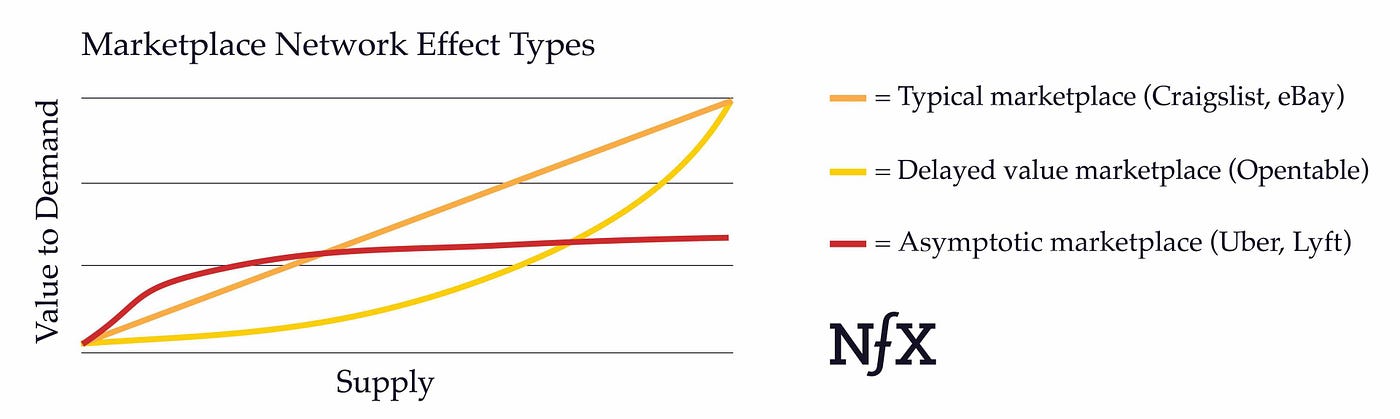
In 2017, when moved to “Zero Fee,” analysts thought we’d lost our minds. They saw a loss in revenue; we saw a massive investment in the CASA floor. This wasn’t altruism; it was Network Effect physics. By removing friction, we monopolized the transaction data layer.
By 2022, retail e-banking transactions hit 844 million. That’s not a banking metric — it’s a high-frequency data loop. With a “Data Brain” aka Ontology, you don’t guess who needs a mortgage; we predict it before they’ve even finished their coffee.

Stop digitizing your existing mess. If 80% of your engineering capacity is spent on “Keep the Lights On” (KTLO) or fixing spaghetti code, you aren’t a #1 brand; you’re the curator of a museum.
2. Resilience & Alignment Physics
If Techcombank represents the Scale of #1, F88 (a Mekong Capital investee) represents the Resilience.
In 2023, F88 faced a media and regulatory storm resulting in a $20M+ loss. In most companies, a hit like that triggers a mass exodus. The “Number 1s” usually lose their crown here because people were there for the bonuses, not the mission.
But at F88, the leadership didn’t budge. This wasn’t just “loyalty” — it was Alignment Physics. In the Mekong Capital world, “Vision-Driven Investing” means reducing the “agency cost” between the boardroom and the shop floor. When the ship hits an iceberg, you don’t need passengers; you need a crew that believes the ship belongs to them.
3. How Kings Fall
Most companies lose the #1 spot because of Success-Induced Lethargy. They stop being the disruptor and start being the Standard Bearer. You can spot the decline by three symptoms:
- Metric Drift: They measure “Total Assets” instead of meaningful customer conversion. They track NPS to pat themselves on the back, not to fix the broken UI or annoying journeys.
- Banker in a Costume: They treat IT as a cost center. If your “Digital Transformation” is just a shiny app on a 20-year-old legacy core, you’re just a bank wearing a hoodie.
- The Talent Leak: When the “Navy Seals” (your A-players) leave for the underdog, the king is already dead. The vacuum is filled by “Empire Builders” who care more about headcount & budget than growth.
4. Culture is Code
In the a16z universe, they say culture is what people do when you aren’t looking. In the race to stay #1, Culture is your Operating System (OS). At Techcombank, the shift wasn’t just hiring developers; it was hiring Product Engineers — architects who can code and have the guts to tell a VP “No.”
The biggest hurdle is top leaders & middle management. These aren’t “bad people”; they are responding to legacy incentives. They love “Alignment Meetings” (code for: “let’s waste three hours so no one has to take responsibility”).
The Navy Seal Principle: Small, elite teams out-ship battalions of “average” every time. If an engineer needs a 20-slide PowerPoint to explain API latency to a Business Head, your organization has already failed.
5. Continuous Cannibalization.
To stay #1, you must adopt a state of “Continuous Cannibalization.” Your current profit margin is your competitor’s opportunity.
Your Action Plan
If you want to stay on top, you need to audit your organization against these four metrics today:
- Cannibalization. Give a “shadow team” $50M to build a company that kills your main product. Use their design as your 2-year roadmap.
- Funding. Move to Two-Pizza Teams where the business lead and lead engineer share the same P&L and OKRs.
- Velocity. Mandate that 20% of every sprint is spent paying down tech debt. No exceptions.
- Culture. Identify the last time a junior staffer stopped a bad idea from a Senior VP. If it hasn’t happened in 90 days, you’re in danger.
Innovate or Evacuate
Being #1 is lonely, expensive, and exhausting. The most dangerous moment for any leader isn’t when the numbers are down; it’s when they are record-breaking. That’s when “Success-Induced Amnesia” sets in.
You forget you won because you were faster, leaner, and more obsessed. Your leaders start worrying about “protecting the budget & headcount” instead of “solving the pain.”
My advice? Look at your 12-month roadmap. If it doesn’t terrify your competitors and make your own team nervous, you aren’t leading. You’re just managing the decline.